Video production pricing in 2026: what studios actually charge
Nobody publishes a price list, so every quote arrives without context. Here is the whole spectrum, band by band, and the four variables that decide where a project lands in it.
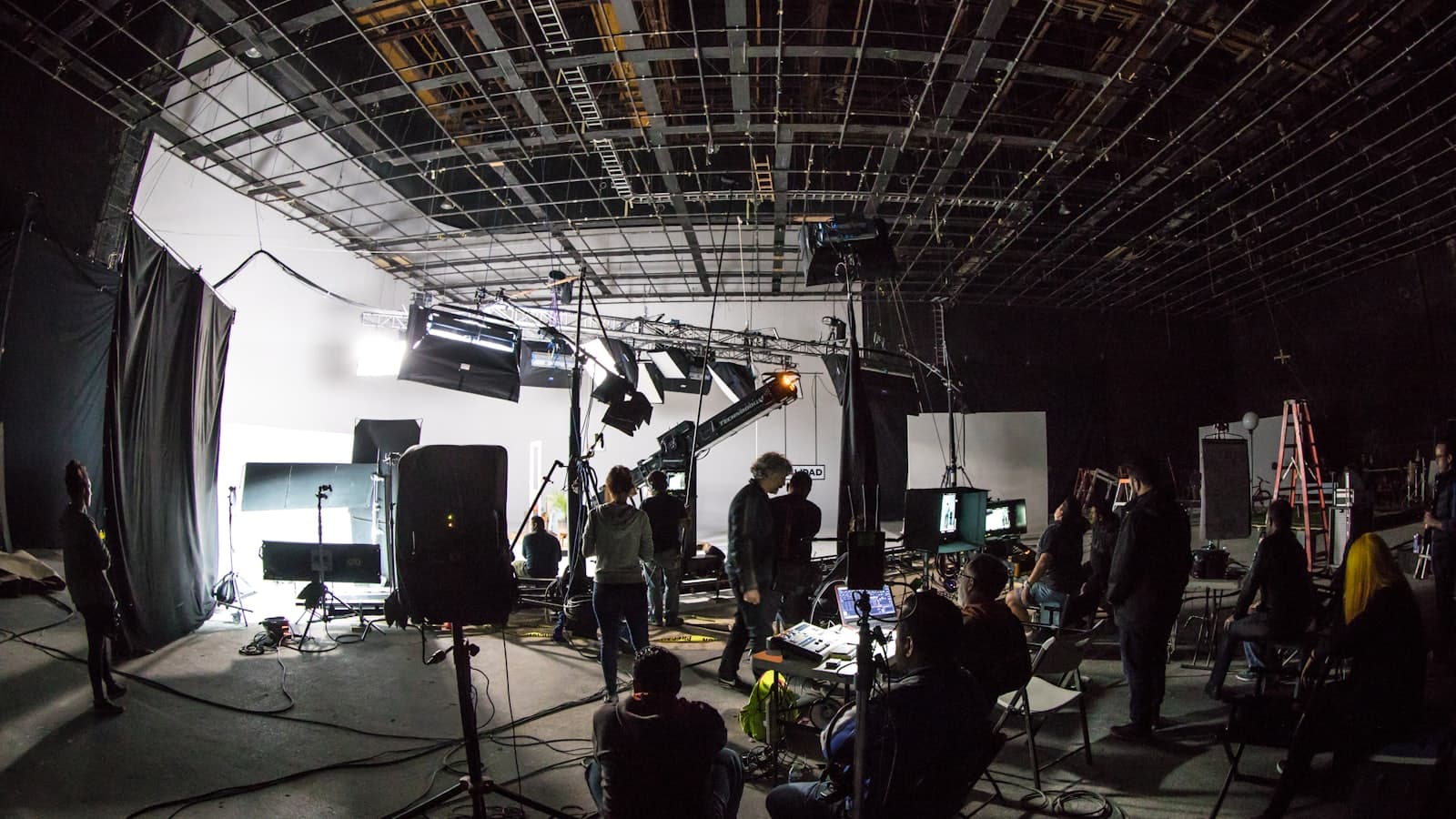
Ask five studios what a sixty-second brand video costs and you will get five numbers spanning two orders of magnitude. One quotes 400. One quotes 40,000. Both are telling the truth about their own business, and neither explains the gap, which leaves you comparing figures with no idea what varies between them.
This is a map of the whole spectrum: what each band actually buys, the four variables that decide where a given project lands, and the line items that tend to appear after the quote is signed. It is written to be useful even if you never speak to us.
Why almost nobody publishes a price list
Video is priced per project because the same brief can be built five ways. A thirty-second product film can be a two-day shoot with a crew of nine, or one afternoon of product photography animated in After Effects, or a fully generated scene graded by hand. Same runtime, same deliverable slot in a media plan, wildly different cost base.
So the honest version of a price list is not a number. It is the list of things that move the number, and roughly how far each one moves it.
The four variables that move the number
- How it gets made. Live shooting carries fixed costs that exist before a frame is recorded: crew, kit, location, insurance, travel, a day of everyone's time whether or not the light cooperates. Animation and AI-assisted production move that cost into labour you can schedule, which is why the same idea can differ by a factor of ten depending on the route to picture.
- How much of it is bespoke. A brand motion system built from scratch, with type that is drawn rather than typed and transitions that only work for your logo, is design work. Cutting supplied footage to a licensed track is craft, but it is not design work, and it should not be priced as though it were.
- How many finished pieces come out. The second deliverable from one project almost never costs what the first did. The script, the grade, the sound design and the motion system are already paid for. Ten cutdowns from one master is a different economic proposition from ten separate videos, and any quote that prices them identically is not thinking about your problem.
- When you need it. A three-week timeline and a four-day timeline are not the same product. The short one means work runs in parallel, revisions compress, and other projects get pushed. Rush is a real cost, and studios that pretend otherwise usually recover it by quietly cutting the finishing.

What the market charges, band by band
Ranges below are for one finished 30 to 60 second video, in US dollars, at 2026 rates. They describe the working market rather than the extremes at either end of it.
| Who you hire | Typical range | What the money buys |
|---|---|---|
| Template marketplace | $0 – $150 | A pre-built project file you fill in. No direction, no design decisions, and a look shared with everyone else who bought it. |
| Freelance editor | $150 – $800 | One person, one skill set, working from your footage and your brief. Excellent value when the brief is genuinely clear. |
| Small specialist studio | $500 – $3,000 | Direction, design and finishing under one roof. Scoped per project, usually without a shoot. |
| Full-service production company | $5,000 – $50,000 | A crew, a shoot day or three, producers, and the overhead that makes those things reliable. |
| Agency-led campaign | $50,000+ | Strategy, casting, licensing, legal clearance and a production company underneath doing the actual filming. |
The band that surprises people is the second and third. A great deal of what brands need in 2026 does not require a shoot at all, whether that is paid social creative, product films, launch teasers or explainer work, and pricing it as though it does is the single most common way marketing budgets get spent badly.
Where the money actually goes
Inside a no-shoot project, the split is fairly consistent. It is worth knowing because it tells you which corners a cheap quote is cutting.
- Pre-production, 15 to 25 percent. Script, storyboard, art direction, and the argument about what the video is for. The stage clients most want to skip, and the one that decides whether the rest of the money is wasted.
- Production or animation, 40 to 55 percent. The build itself. Frames, scenes, motion, whatever the route to picture is.
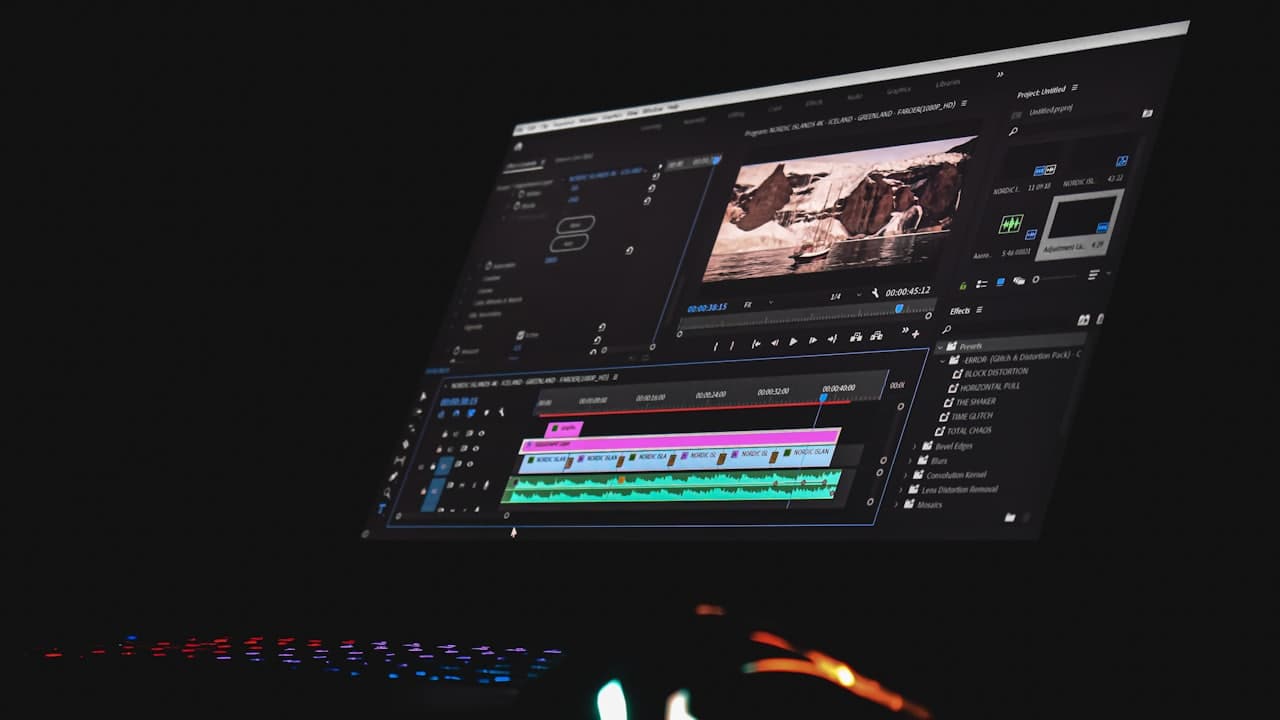
- Finishing, 20 to 30 percent. Colour, sound design, mix, captions, format cutdowns. This is where a video stops looking like a draft, and it is invisible in a quote right up until it is missing from the delivery.
- Revisions, 5 to 15 percent. Priced in, or billed back. Find out which before you sign.
The costs that appear after the quote
Most budget overruns on video are not overruns at all. They are things that were never in the quote, asked for in good faith once the project is moving.
- Extra revision rounds beyond whatever the contract names, usually billed hourly at the worst possible moment in a schedule.
- Format cutdowns. A 16:9 master is not a 9:16 asset. Reframing, retiming and re-laying out titles for vertical is real work, see aspect ratios and cutdowns for what actually changes.
- Music licensing. A library track cleared for social is not cleared for a paid campaign in three territories. Check the licence tier, not just the track.
- Stock and generative assets bought mid-project because a scene turned out to need something nobody scoped.
- Source files. Some studios treat project files as a separate purchase. Ask early; it costs nothing to ask and a lot to discover later.
Fixed price, day rate, or retainer
Three commercial models, each honest, each suited to a different kind of work.
| Model | Works when | Fails when |
|---|---|---|
| Fixed per project | The deliverable is known and the scope can be written down. | The brief is genuinely exploratory and will change three times. |
| Day rate | You have internal direction and want hands on a timeline. | Nobody is tracking days against an outcome. |
| Monthly retainer | Volume is steady and predictable month to month. | Volume is lumpy, and you pay for capacity you did not use. |
For most brands buying a handful of videos a year, fixed per project is the model that makes the cost knowable in advance, which is usually what finance actually wants from marketing.
How to compare two quotes that look nothing alike
Put both on the same page and answer six questions about each. The cheaper quote frequently stops being cheaper somewhere around question four.
- How many finished deliverables, in which aspect ratios and durations?
- How many revision rounds are included, and what counts as one?
- Is sound design and mix in scope, or is this a picture-only quote?
- Who licenses the music, and for which platforms and territories?
- What is the delivery date, and what happens to it if feedback is late?
- Do you receive source files, and are you free to reuse the footage later?
If you would rather not run this comparison from scratch, our brief template asks the same questions in the order a studio needs to hear them, and how to choose a video production company covers what to look for beyond the number.
What we charge
Fresvo prices per project, once, before anything starts. Most projects land between $175 and $935, which puts us between the freelance and small-studio bands above: no shoot crew to carry, After Effects craft and AI-assisted production instead, and finishing included rather than sold back to you.
You can get a real figure without talking to anyone. The estimator asks about the video, the route to picture and the deadline, and returns a number in about a minute, before it asks for an email address, which is the order those two things should happen in.
Common questions
- How much does a 60-second promotional video cost?
- Across the working market, roughly $150 to $50,000 depending on who makes it and how. Without a shoot, a well-finished 60-second brand video from a specialist studio usually lands between $500 and $3,000. With a crew, a location and a shoot day, $5,000 is a realistic floor.
- Why are video production quotes so different from each other?
- Because they are usually quoting different things. One may include sound design, two revision rounds, four aspect ratios and source files; another may be picture-only in 16:9 with revisions billed hourly. Compare deliverables, revisions, finishing and licensing before comparing totals.
- Is AI-generated video cheaper than filming?
- Usually, and mainly because it removes the fixed costs that exist before anything is shot: crew, kit, location, travel and weather. It does not remove direction, art direction or finishing, and work that skips those looks exactly like work that skipped those.
- Should I pay per project or on a monthly retainer?
- Pay per project unless your volume is genuinely steady. A retainer buys reserved capacity, which is valuable when you reliably use it and pure cost when you do not. Most brands making fewer than two videos a month are better served by a fixed price per project.