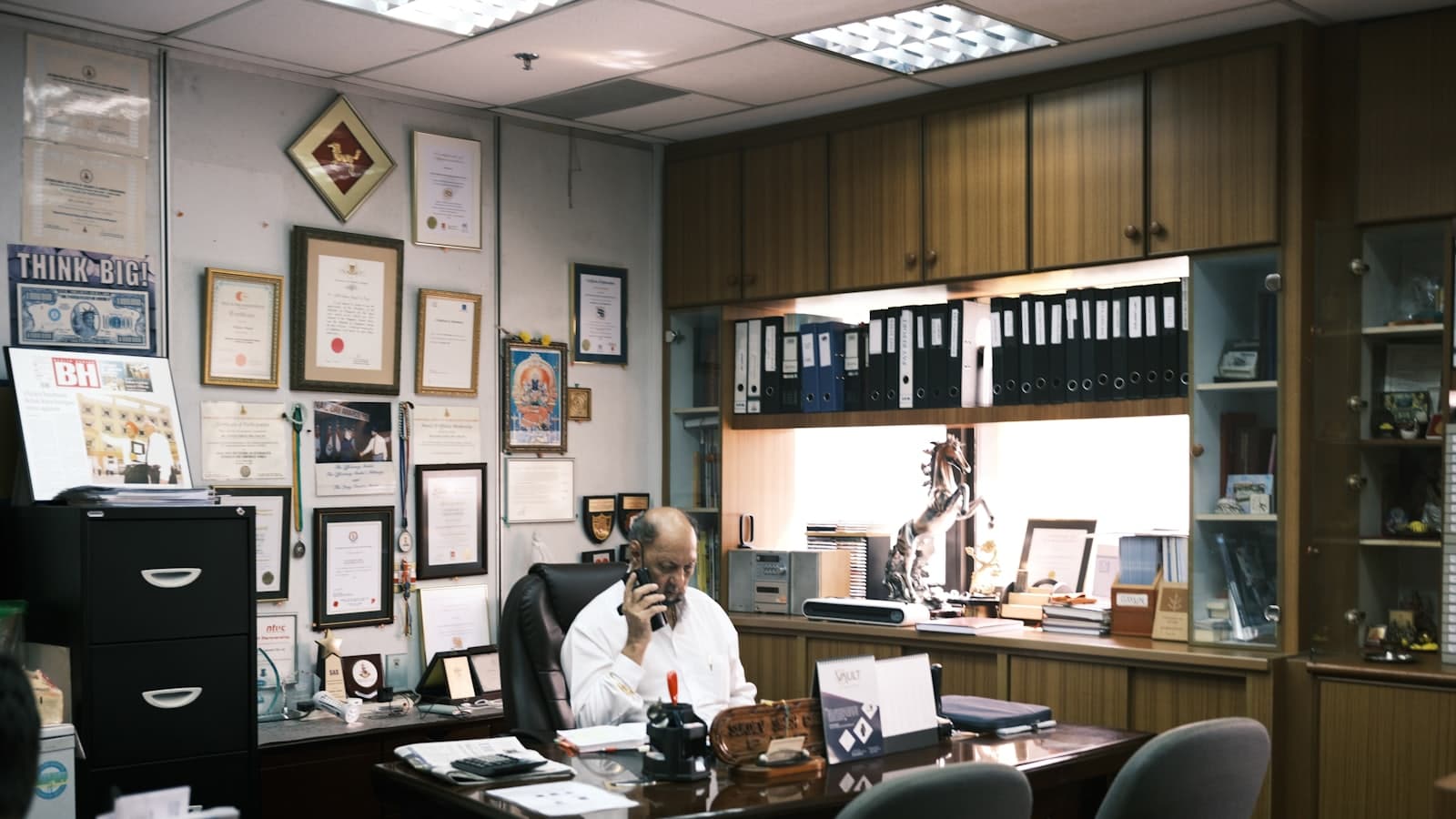
Video marketing for construction and property firms
Construction firms sit on more usable footage than almost any other industry and use almost none of it. The problem is not filming. It is that nobody decided what the footage was for.

Construction is unusually well suited to video and unusually bad at using it. Every site generates footage worth watching. Things get lifted, poured, assembled and revealed, and most of it ends up as unedited drone clips in a folder that a marketing manager occasionally posts one of.
The gap is not equipment or access. It is that the filming happens before anyone decides what the video is for, so what comes back is coverage of a site rather than an argument for a company.
The four jobs video does in this sector
- Winning tenders. A capability film attached to a bid, or shown at interview, does something the document cannot: it demonstrates rather than asserts. In a room comparing five similar submissions, it is often the only thing anyone remembers.
- Recruiting trades and engineers. The labour shortage is the sector's binding constraint, and a film showing the crew, the kit and the standard of the work outperforms every job advert.
- Selling schemes. Residential and commercial developments sell off-plan, which means selling something that does not exist yet. Video is the most convincing form a promise can take.
- Client reporting. A monthly two-minute progress film reduces the number of meetings required to explain progress, and it is the cheapest of the four to produce.
Why the drone footage never gets used
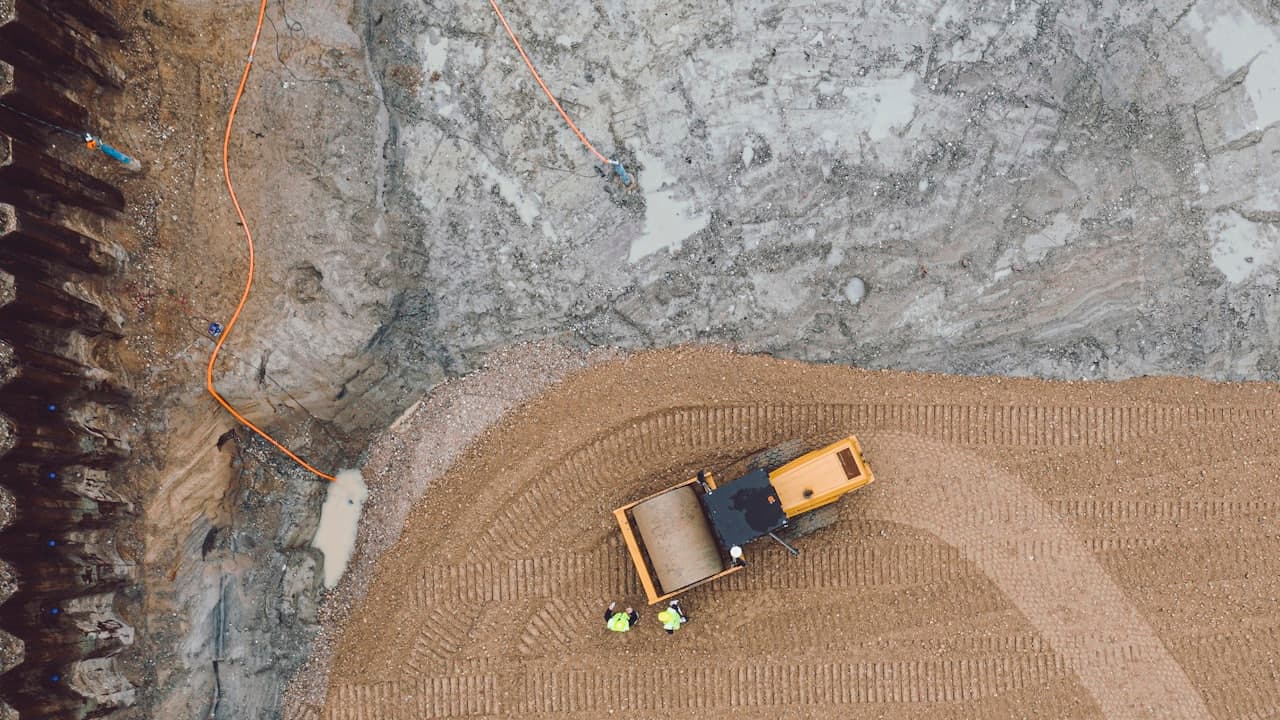
Aerial footage of a site is genuinely impressive for about eight seconds and then it is a landscape. What makes it usable is the thing around it: a reason for the shot to exist and something happening in it.
- No plan means no story. Footage captured without a script documents a site. It does not argue anything.
- Nothing to establish. A wide shot is an establishing shot, and it needs something to establish. On its own it is a postcard.
- No people. Sites are impressive because of what people are doing on them. Empty footage removes the only element a viewer identifies with.
- Wrong phase. The most watchable moments are scheduled events: the lift, the pour, the strike, the reveal. Film them by turning up on the day, which requires knowing the programme.
What a tender film should contain
Two to three minutes, made once, updated annually. It exists to answer the question a client is really asking, which is not can you build it but what will it be like to work with you when something goes wrong.
- A completed scheme, comparable in scale to what is being bid. Evidence first.
- The team, named, speaking. The people who will actually be on the job. This is the part clients remember.
- One problem you solved. Specific, dated, with the resolution. This does more for credibility than any list of certifications.
- How you communicate. Reporting rhythm, who they will talk to, what happens when the programme slips. Dull to write, decisive in evaluation.
- Safety and compliance, briefly. Necessary, but it should not lead. Everyone bidding has the same accreditations.
The temptation is to open with the office and the accreditation logos. Open with the work instead, the first three seconds applies in a tender room as much as in a feed, because a panel that has watched four of these is already tired.
Selling a scheme that does not exist yet
This is where AI-assisted and CGI production have changed the economics most sharply. Visualising an unbuilt development used to mean an architectural visualisation budget; a great deal of it can now be produced for a fraction of that.
| Approach | Best for | Note |
|---|---|---|
| Architectural CGI | Precise, contractually accurate representations of the building. | Expensive and slow, and the right call when accuracy is a legal matter. |
| AI-generated context | Atmosphere, lifestyle, the surrounding area, how it feels to live there. | Cheap and fast. Must not misrepresent the specification. |
| Drone plate with composited build | Showing the scheme in its actual location. | Frequently the most persuasive option available. |
| Progress films | Reassuring buyers who have already committed. | Cheapest of the four and the most under-used. |
One boundary worth being firm about: generated imagery may set atmosphere, never specification. A visual implying a finish, a view or an amenity that is not contracted is a misrepresentation problem before it is a marketing one. How the AI pipeline actually runs covers where generated material is safe and where real assets have to be composited in.

Filming on a live site, practically
- Get the programme first. Schedule the shoot around the pour, the lift or the strike. Those are the shots.
- Inductions and PPE for the crew. Non-negotiable, and it takes longer than people plan for.
- Clear the drone properly. Airspace, permissions, neighbours. Build in lead time.
- Record real sound. Site audio is excellent and almost always thrown away in favour of library music.
- Get releases on the day. Chasing consent from a subcontractor who left the job three weeks ago is how a good interview becomes unusable.
A twelve-month plan that is actually affordable
- One tender film, made properly, updated once a year.
- One recruitment film, cut from the same shoot days.
- Quarterly progress films for live schemes, two minutes each.
- Monthly short cuts pulled from the above for social and LinkedIn.
- Stills throughout, exported from the footage rather than shot separately.
The efficiency comes from treating shoot days as raw material for several outputs rather than one. Two well-planned days on site can supply a year of content if the brief says so in advance, which is the whole argument of how to brief a video agency.
Common questions
- How do construction companies use video marketing?
- Four ways: capability films attached to tender submissions, recruitment films that address the trades shortage, visualisations that sell schemes off-plan, and progress films that keep clients informed without another meeting. The tender film has the highest value and is the one most firms have never made.
- Why is our site drone footage not useful?
- Because it was captured without a plan. Aerial footage establishes a location but does not argue anything, and a wide shot needs something to establish. Usable footage comes from filming scheduled events like the lift, the pour and the strike, with people in frame and a script deciding what the shots are for.
- Can AI video be used to sell an unbuilt development?
- For atmosphere, context and the surrounding area, yes, and far more cheaply than full architectural visualisation. It must never be used to represent specification: any generated image implying a finish, view or amenity that is not contracted is a misrepresentation issue before it is a marketing one.
- What should a construction tender video include?
- A comparable completed scheme, the named team who will actually run the job speaking on camera, one specific problem you solved with its resolution, and a plain explanation of how you communicate when a programme slips. Two to three minutes, with accreditations mentioned briefly rather than leading.